Understanding Adolescent Self-Harm: A Guide for Parents
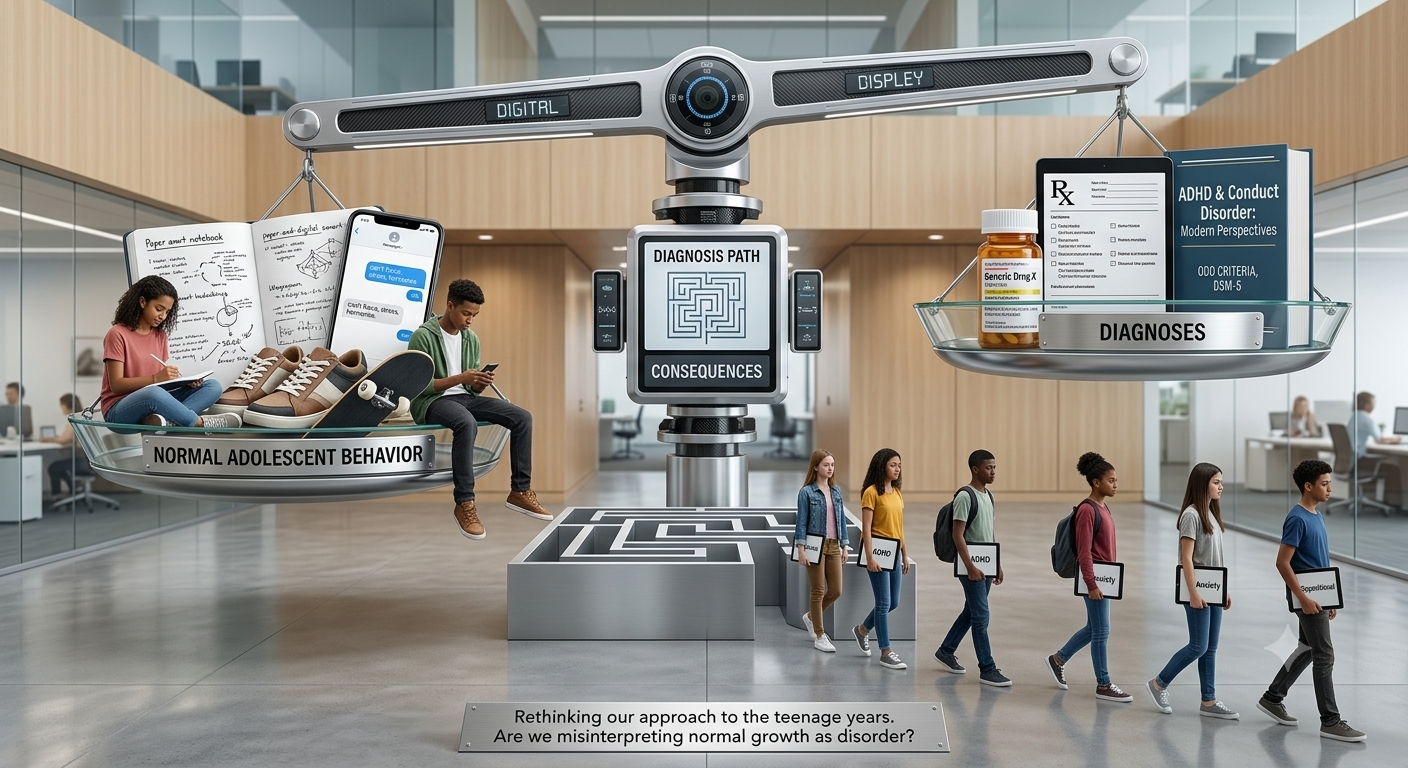
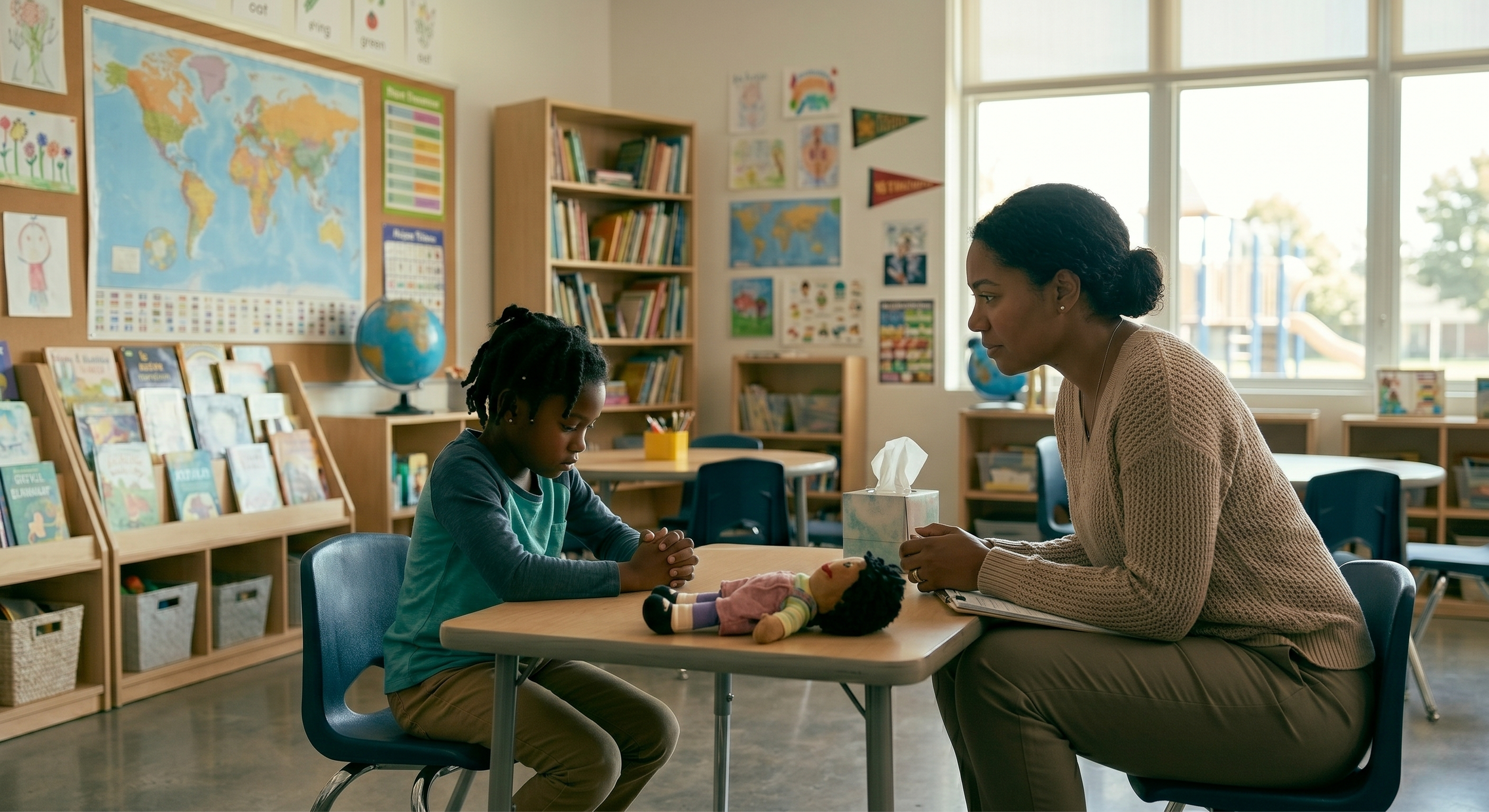
Navigating the teenage years is often like walking a tightrope in a windstorm. When parents discover that their teen is engaging in self-harm — the natural instinct is often panic.
However, understanding the "why" behind the behavior is the first step toward healing. Here is what the clinical research tells us about why this happens and how you can help.
What Is Adolescent Self-Harm?
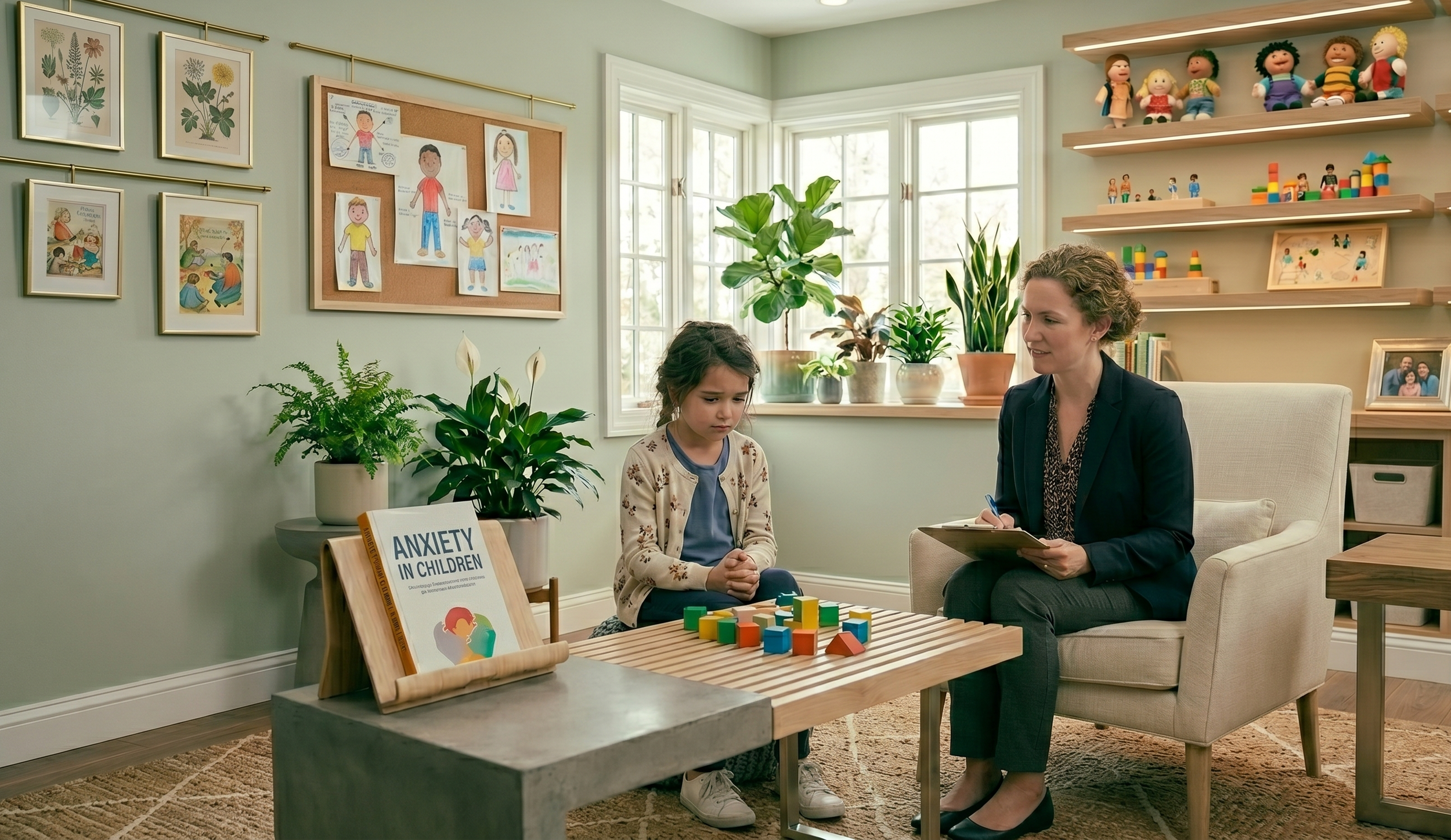
Self-harm, clinically referred to as non-suicidal self-injury (NSSI), involves deliberate behaviors that cause physical harm to oneself without suicidal intent. Despite this distinction, it is a serious psychiatric concern and a strong predictor of future mental health risk.
Common Forms of Self-Harm in Teens:
Cutting (most common)
Burning
Skin picking or scratching
Hitting or self-bruising
Why Do They Do It? The Psychology of "Feeling"
According to the Diagnostic and Statistical Manual of Mental Disorders (DSM-5) and literature from the American Academy of Child and Adolescent Psychiatry (AACAP), NSSI is rarely about "attention-seeking." Instead, it is primarily a maladaptive emotion regulation strategy.
Emotional Regulation: For many teens, physical pain acts as a "circuit breaker" for intense emotional overwhelm. It can provide a momentary sense of calm or a release of built-up tension.
Turning the Invisible Visible: Adolescents often struggle to articulate psychological pain. Physical marks serve as a tangible manifestation of their internal distress.
Combatting Numbness: In cases of severe depression or dissociation, some teens use self-injury to "feel something" and reconnect with their bodies.
Why Parents Should Stay Calm
It sounds counterintuitive, but freaking out can unintentionally make the situation worse. Here’s why a measured response is vital:
Lowering the Shame Spiral: Self-harm is often shrouded in intense guilt. A high-conflict or panicked reaction from a parent can increase the teen's stress, potentially leading to more self-harm to cope with that new layer of shame.
Maintaining the Connection: Your teen needs to know you are a safe harbor. If you react with anger or extreme fear, they may become more secretive to "protect" you or avoid your reaction.
It is Usually Not a Suicide Attempt: It is crucial to distinguish between NSSI and a suicide attempt. While NSSI is a risk factor that requires professional attention, the immediate intent is usually to survive the moment, not to end life.
Helpful Tips to Combat NSSI
Addressing self-harm requires a blend of professional support and "at-home" replacement skills.
Discovering self-harm is a heavy burden, but it is a treatable behavior. By replacing judgment with curiosity and panic with a plan, you provide the stability your teen needs to learn healthier ways to cope.
Note: If you believe your child is in immediate danger or the injuries are severe, please contact emergency services or a crisis hotline immediately.
The Power of "Internalizing Goodness": Why Your Kids (and Employees) Are More Capable Than You Think
In a recent episode of Simon Sinek’s A Bit of Optimism, Dr. Becky Kennedy—known to millions as the "Parenting Whisperer"—dropped some truth bombs that do more than just improve your 5:00 PM routine. They actually reshape how we understand human development and leadership.
The core takeaway? Whether you are dealing with a toddler having a meltdown over a blue bowl or an employee missing a deadline, people usually have more internal resources than we give them credit for. We just have to stop "fixing" and start "building."
1. Connection Before Correction
Dr. Becky’s most famous principle is that every child is "Good Inside." This doesn't mean their behavior is always good, but their core identity is.
The Advice: When your child acts out, they aren't "being a brat"; they are having a hard time. Before you jump to a timeout or a lecture, connect with them.
The Application: Use the phrase, "I can see you're having a really hard time right now." This validates their experience without approving of the bad behavior. It keeps the relationship intact, so they are actually capable of learning.
2. The Power of "Repair"
One of the most liberating points in the podcast was the idea that you don't have to be a perfect parent (or boss) to raise a healthy human. You just have to be good at Repair.
The Advice: A "Repair" is the act of returning to a moment of disconnection, acknowledging what happened, and taking responsibility for your part.
The Application: If you lost your cool and yelled, go back later and say: "I'm sorry I yelled earlier. It wasn't your fault that I lost my temper. I’m working on staying calm even when I’m frustrated." This teaches your child that mistakes are fixable.
3. Resilience vs. Happiness
Modern parenting often falls into the trap of trying to make kids "happy" all the time. Dr. Becky argues we should be building resilience instead.
The Advice: Stop trying to solve every struggle. If they can't build a LEGO tower, don't build it for them.
The Application: Sit with them in the frustration. Say, "This is hard. You’re doing something really tricky." By not "fixing" it, you are showing them you trust their ability to handle struggle.
A Psychiatric Perspective: Why This Works
From a clinical and neurobiological standpoint, Dr. Becky’s approach aligns with Attachment Theory and Self-Determination Theory.
The Window of Tolerance
When a child (or employee) is overwhelmed, they leave their "window of tolerance." In this state, the prefrontal cortex—the part of the brain responsible for logic and problem-solving—essentially goes offline.
By focusing on Connection First, Dr. Becky is essentially helping the individual's nervous system regulate. Once they feel safe and "seen," the brain can re-engage its logical centers.
Internal vs. External Locus of Control
Traditional "reward and punishment" systems (like sticker charts) focus on External Locus of Control. You do the thing to get the prize or avoid the pain.
Psychiatrically, this is brittle. Dr. Becky’s method builds an Internal Locus of Control. By validating a child’s internal state, you help them build a "sturdy" sense of self. They learn to regulate because it feels right internally, not because they are afraid of a "timeout." This leads to long-term emotional intelligence rather than short-term compliance.
The Bottom Line
Dr. Becky’s appearance on A Bit of Optimism reminds us that leading a family and leading a team are the same skill: Seeing the person beneath the performance. When we assume people are "Good Inside" and capable of handling hard things, they usually rise to the occasion.
Try it today: The next time someone "fails" in front of you, ask yourself: "How can I connect with them before I try to fix the problem?"
Decoding Parenting Styles: How Your Approach Shapes Your Child's World
The journey of parenting is a complex and rewarding one, filled with countless decisions and approaches. From the moment a child is born, parents begin to establish a unique way of interacting, guiding, and disciplining – what we call a "parenting style." But what exactly are these styles, and how do they impact the incredible journey of a child's development, from their first steps to their turbulent teenage years?
Understanding the different parenting styles can be a powerful tool for self-reflection and growth. It's not about finding a "perfect" style, but rather recognizing the potential influences of your approach and adapting to best meet your child's evolving needs.
The Four Pillars of Parenting Styles: A Framework by Diana Baumrind
The most widely recognized framework for parenting styles comes from the groundbreaking research of developmental psychologist Diana Baumrind in the 1960s. She identified key dimensions of parenting, primarily responsiveness (warmth, support, emotional connection) and demandingness (expectations, discipline, control). Combining these dimensions, she outlined three primary styles, with a fourth later added by other researchers:
1. Authoritative Parenting: The "Just Right" Approach
Characterized by: High demandingness and high responsiveness. What it looks like: Authoritative parents set clear expectations and rules, explain the reasoning behind them, and encourage open communication. They are warm, supportive, and responsive to their children's emotional needs, but also firm when necessary. Discipline is often focused on teaching and guiding rather than solely punishing.
Impact on Children and Adolescents: Research consistently shows that children raised by authoritative parents tend to exhibit the most positive outcomes. They are often:
More self-reliant and independent: They learn to make decisions and take responsibility.
Higher academic achievers: They develop strong work ethics and problem-solving skills.
Greater emotional regulation: They are better at managing their feelings and stress.
Higher self-esteem and social competence: They feel valued and are more adept at navigating social situations.
Less likely to engage in substance abuse or antisocial behavior.
Latest Research & Statistics: A 2022 meta-analysis published in Child Development Perspectives reaffirmed the strong link between authoritative parenting and positive child outcomes across various cultures. Studies have shown that adolescents with authoritative parents report higher levels of psychological well-being and lower rates of internalizing problems (like anxiety and depression) and externalizing problems (like aggression and delinquency). For instance, a study in the Journal of Youth and Adolescence found that high parental warmth and reasonable control predicted greater adolescent resilience.
2. Authoritarian Parenting: The "My Way or the Highway" Approach
Characterized by: High demandingness and low responsiveness. What it looks like: Authoritarian parents impose strict rules and expect unquestioning obedience. They often use punishment rather than discussion and offer little warmth or emotional support. Communication tends to be one-way, from parent to child.
Impact on Children and Adolescents: While seemingly effective in the short term for obedience, this style can have several negative long-term effects:
Lower self-esteem and self-worth: Children may feel their opinions are not valued.
Higher rates of anxiety and depression: Due to fear of making mistakes and lack of emotional support.
Tendency to follow rules out of fear, not understanding.
May exhibit more aggressive behavior: As a learned response to anger and frustration.
Difficulty with independent decision-making: They are not encouraged to think for themselves.
Latest Research & Statistics: Recent studies, such as one in the Journal of Family Psychology (2021), continue to link authoritarian parenting with increased risk of anxiety, depression, and poorer academic performance in adolescence. A survey across several European countries indicated that adolescents who perceived their parents as highly authoritarian reported significantly higher levels of externalizing behaviors.
3. Permissive Parenting: The "Friend First" Approach
Characterized by: Low demandingness and high responsiveness. What it looks like: Permissive parents are very warm and nurturing but set few rules or expectations. They are often reluctant to discipline and may act more like a friend than a parent, wanting to avoid conflict and keep their child happy.
Impact on Children and Adolescents: This lack of structure and guidance can lead to:
Difficulty with self-control and self-regulation: They don't learn boundaries.
Poor academic performance: Lack of expectations can lead to disengagement.
Higher rates of impulsivity and risky behavior: Without clear limits.
Entitlement and selfishness: They may struggle with understanding consequences for others.
Latest Research & Statistics: A 2020 study in Developmental Psychology found that adolescents with permissive parents were more likely to engage in risk-taking behaviors, including substance use, due to a lack of parental monitoring and clear boundaries. Statistics suggest a correlation between permissive parenting and higher rates of childhood obesity, as children may have fewer limits on diet and screen time.
4. Uninvolved/Neglectful Parenting: The "Hands-Off" Approach
Characterized by: Low demandingness and low responsiveness. What it looks like: Uninvolved parents provide little to no guidance, emotional support, or supervision. They are often disengaged from their child's life, either due to their own struggles (e.g., mental health issues, substance abuse) or simply a lack of interest.
Impact on Children and Adolescents: This is often considered the most detrimental parenting style, leading to severe negative outcomes:
Significant emotional and behavioral problems: Children may feel abandoned and unloved.
Poor academic achievement and social skills.
Higher risk of mental health issues: Including depression, anxiety, and even suicidal ideation.
Increased likelihood of substance abuse, delinquency, and early sexual activity.
Difficulty forming healthy attachments and relationships.
Latest Research & Statistics: Research consistently highlights the severe impact of neglectful parenting. A 2023 report from the CDC indicated that children experiencing neglect are at significantly higher risk for long-term health problems, poor academic outcomes, and involvement in the justice system. The trauma of neglect can have lasting effects on brain development and stress regulation systems.
Beyond the Categories: Nuances and Flexibility
While these four styles provide a useful framework, it's important to remember:
No parent perfectly fits one category: Most parents exhibit elements of different styles depending on the situation, the child's age, and their own stress levels.
Cultural differences: Parenting practices vary across cultures, and what might be considered "authoritarian" in one culture could be seen as protective and guiding in another.
Child's temperament: A child's inherent personality and temperament also influence how they respond to different parenting approaches. What works for one child might not work for another.
The goal is not perfection, but intentionality: Understanding these styles helps parents reflect on their own approach and make conscious choices about how they want to raise their children.
Finding Your Balance: Striving for Authoritative Parenting
Research strongly supports the benefits of the authoritative parenting style. It strikes a healthy balance between setting necessary boundaries and fostering a warm, supportive environment where children feel loved, respected, and heard.
Tips for moving towards an authoritative approach:
Be warm and responsive: Show affection, listen actively, and validate your child's feelings.
Set clear, consistent rules: Children thrive on predictability and knowing what to expect.
Explain the "why": Help your child understand the reasoning behind rules, fostering their moral development.
Encourage independence and decision-making: Offer choices and allow them to experience natural consequences (within safe limits).
Use positive discipline: Focus on teaching and guiding rather than solely punishing. Logical consequences, time-outs, and problem-solving are effective tools.
Model the behavior you want to see: Children learn by observing their parents.
The influence of parenting is profound and long-lasting. By understanding the different styles and their potential impacts, parents can strive to create an environment that nurtures confident, capable, and well-adjusted individuals ready to navigate the world. It's a continuous learning process, but one that yields the greatest rewards.
ADHD Is Not a Discipline Problem. Here Is What the Evidence Actually Shows
Dr. Farrah Laviolette, MD
January 15, 2026
The Digital Mirror: Navigating the Complex Effects of Social Media on Modern Youth
In the current landscape of 2026, the question is no longer if social media affects teenagers, but how profoundly it reshapes their development. With nearly 95% of adolescents aged 10–17 reporting "constant" social media use, the digital environment has become the primary theater for social and identity formation.
While these platforms offer unprecedented avenues for connection and creativity, recent data from 2024 to 2026 suggests a sharpening divide between casual use and problematic engagement.
1. The Developing Brain and the "Reward Loop"
Adolescence is a critical window for neurological development, particularly in the prefrontal cortex (responsible for impulse control) and the amygdala (responsible for emotional processing).
Recent neuroimaging studies (2025) have highlighted that habitual social media checking—defined as checking feeds more than 15 times a day—triggers a hypersensitivity to social rewards. This creates a physiological "reward loop" similar to that seen in gambling.
Dopamine Spikes: The intermittent reinforcement of "likes" and notifications conditions the brain to seek constant external validation.
Impulse Control: Excessive use is now being linked to diminished executive functioning, making it harder for teens to regulate their focus and resist immediate digital gratification.
2. Mental Health: The Shift in Teen Perspective
According to a landmark Pew Research Center report (late 2024/early 2025), a significant shift is occurring in how teenagers perceive their own digital lives.
Growing Concern: 48% of teens now believe social media has a "mostly negative" effect on people their age, up from 32% in 2022.
The Gender Divide: The impact is not uniform. Teen girls are statistically more likely to report that social media negatively affects their self-confidence and body image.
The "Three-Hour" Threshold: Multiple studies, including those from JAMA Psychiatry, consistently show that spending more than three hours per day on social media is associated with double the risk of experiencing symptoms of depression and anxiety.
3. Physical Health and Sleep Disruption
The effects of social media extend beyond the psychological into the biological. The displacement of physical activity and the disruption of sleep cycles are among the most documented harms.
Impact Area
Common Consequence
Supporting Fact (2025-2026)
Sleep Quality
Delayed onset and frequent waking.
Blue light and late-night scrolling are linked to "social jetlag," which impairs academic performance.
Physical Activity
Sedentary behavior.
High screen time is positively correlated with lower rates of strength training and cardiovascular exercise.
Cognitive Load
"Technology Overload."
Constant multitasking between apps is linked to shorter attention spans in classroom settings.
4. The Positive Counter-Narrative
It is essential to acknowledge that for many, social media serves as a vital lifeline. For marginalized youth—including LGBTQ+ and neurodivergent teenagers—digital communities often provide a level of support and acceptance that may be unavailable in their immediate physical environment.
"Social media is not a monolith. For a teen finding a community for a niche interest or a support group for a rare medical condition, the 'digital mirror' provides a sense of belonging that is protective against isolation." — Clinical Perspective, 2025.
Looking Ahead: A New Standard of Safety
As of early 2026, the industry is moving toward greater accountability. The launch of the Safe Online Standards (S.O.S.) initiative—where platforms like Instagram, TikTok, and YouTube have agreed to independent mental health ratings—marks a turning point.
For parents and educators, the goal is shifting from "total restriction" to "digital literacy." By understanding the neurological and psychological levers at play, we can better equip the next generation to navigate the digital world with resilience rather than being consumed by it.
Part 1: Digital Wellness Tips for Parents
The goal for 2026 is "Agency over Restriction." Rather than strictly policing time, focus on the quality of engagement and the preservation of biological needs like sleep.
The "60-Minute Sunset" Rule: Ensure all devices are out of bedrooms and off at least one hour before sleep. This prevents blue light from suppressing melatonin and stops the "revenge bedtime procrastination" common in teens.
Establish "No-Tech Islands": Designate specific times and places—such as the dinner table, car rides under 15 minutes, or Sunday mornings—as phone-free zones for the entire family, including adults.
The "Post-Check" Discussion: Instead of asking "How long were you on TikTok?", ask "Did anything you saw today make you feel annoyed or insecure?" This shifts the focus to emotional regulation.
Co-Management of Privacy: Regularly review app permissions together. Ensure "Significant Locations" are turned off and that "Contact Sharing" is restricted to prevent data harvesting by third-party advertisers.
Part 2: School Social Media Policy Template
For educators and administrators, a modern policy must bridge the gap between professional communication and student safety. Below is a professional framework you can adapt.
I. Purpose & Scope
The primary goal of our social media presence is to foster community engagement and celebrate student achievement while maintaining a secure, FERPA-compliant digital environment.
II. Professional Conduct (Staff)
Separation of Accounts: Staff must maintain separate personal and professional accounts. "Friending" current students on personal profiles is strictly prohibited.
The "Classroom Mirror" Standard: Any content posted to a school-affiliated account must be appropriate for a physical classroom setting.
Supervisory Access: All official school accounts (departmental, athletic, etc.) must grant administrative "designee" rights to the Principal or IT Director.
III. Student Privacy & Consent
Media Release Opt-Out: No student photos or videos may be posted if a "Media Refusal" form is on file.
Identification Limits: Use only first names and last initials. Never tag students in public-facing posts without explicit, documented permission for that specific event.
Information Security: Sensitive data (grades, ID numbers, or schedules) must never be visible in the background of any shared media.
IV. Community Management
The 24-Hour Feedback Loop: Professional accounts should aim to address concerns or questions within 24 hours.
Comment Moderation: Harassment, vulgarity, or "doxxing" (sharing private info) will result in immediate comment removal and, if necessary, a report to the SOS (Safe Online Standards) board.
The Problem With How People Talk About ADHD
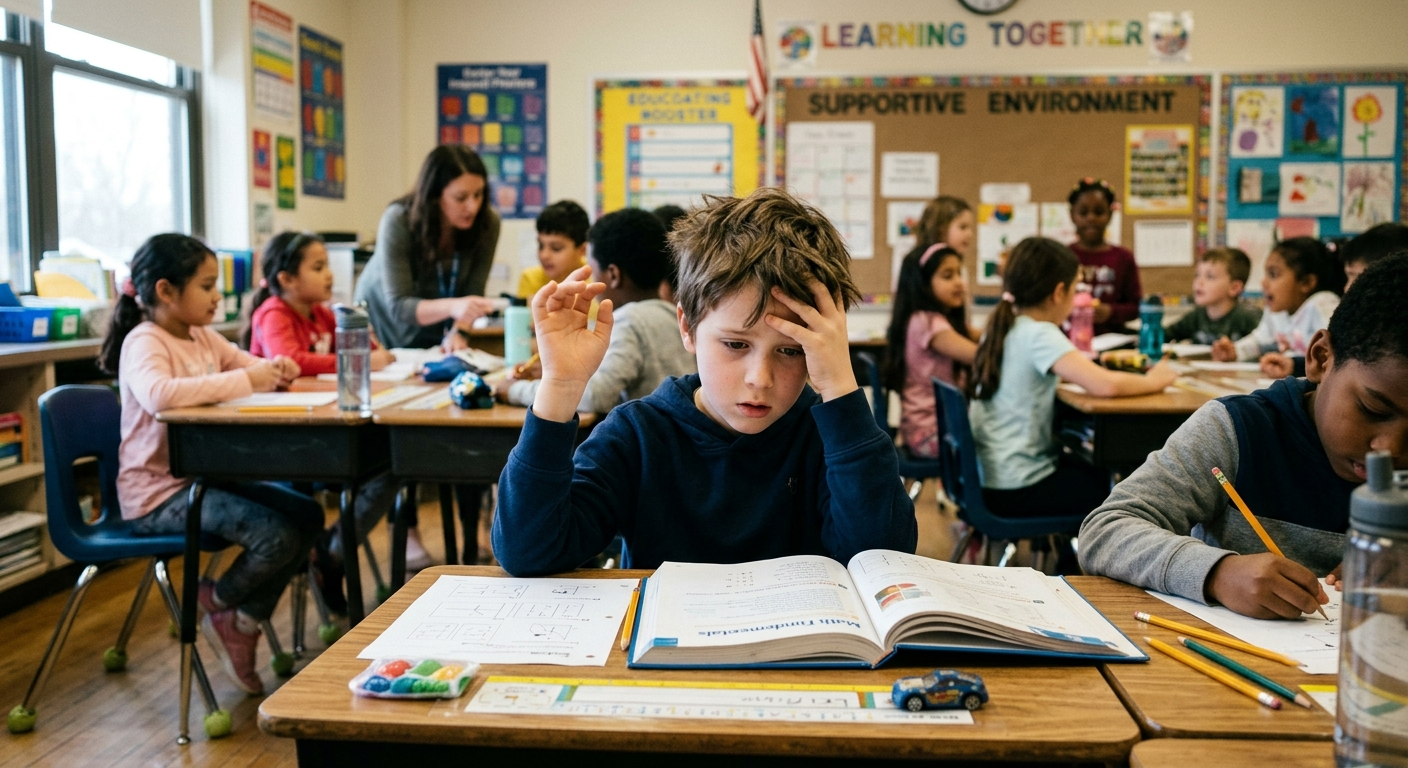
Most conversations about ADHD start wrong. They start with opinion instead of evidence. A parent hears "your child just needs more structure." An adult hears "everyone has trouble focusing sometimes." A teacher hears "we are overdiagnosing this."
None of those statements hold up under scrutiny. Brain imaging studies show measurable differences in structure and function in individuals with ADHD, particularly in regions governing executive function, attention regulation, and impulse control. Every major medical organization worldwide recognizes ADHD as a neurodevelopmental condition. The science is not ambiguous.
What is ambiguous is the public conversation. That gap between evidence and perception causes real harm: delayed diagnosis, unnecessary stigma, and years of struggling without understanding why.
Five Claims That Do Not Survive the Evidence
Myth vs. Evidence
Each claim below is commonly repeated. None are supported by current psychiatric research.
"ADHD is not real. It is a discipline problem."
ADHD is documented across decades of peer-reviewed research. It is neurological, not behavioral. Telling someone with ADHD to try harder is equivalent to telling someone with impaired vision to look harder. The mechanism is different. The intervention must be different.
"Children grow out of it."
Approximately 60% of children with ADHD continue to experience clinically significant symptoms into adulthood. Many adults receive their first diagnosis in their 30s or 40s, after years of unexplained difficulty with focus, organization, and emotional regulation.
"ADHD is overdiagnosed."
The data suggests the opposite. ADHD remains underdiagnosed in women, adults, and people of color. Increased awareness is not overdiagnosis. It means more people are finally getting accurate evaluation.
"Medication is the only option."
Medication is one component. Effective ADHD treatment combines medication management with behavioral strategies, organizational skills training, lifestyle modification, and collaboration with schools and families. The approach should be tailored, not standardized.
"Everyone has a little ADHD."
The Digital Mirror: Navigating the Complex Effects of Social Media on Modern Youth
In the current landscape of 2026, the question is no longer if social media affects teenagers, but how profoundly it reshapes their development. With nearly 95% of adolescents aged 10–17 reporting "constant" social media use, the digital environment has become the primary theater for social and identity formation.
While these platforms offer unprecedented avenues for connection and creativity, recent data from 2024 to 2026 suggests a sharpening divide between casual use and problematic engagement.
1. The Developing Brain and the "Reward Loop"
Adolescence is a critical window for neurological development, particularly in the prefrontal cortex (responsible for impulse control) and the amygdala (responsible for emotional processing).
Recent neuroimaging studies (2025) have highlighted that habitual social media checking—defined as checking feeds more than 15 times a day—triggers a hypersensitivity to social rewards. This creates a physiological "reward loop" similar to that seen in gambling.
Dopamine Spikes: The intermittent reinforcement of "likes" and notifications conditions the brain to seek constant external validation.
Impulse Control: Excessive use is now being linked to diminished executive functioning, making it harder for teens to regulate their focus and resist immediate digital gratification.
2. Mental Health: The Shift in Teen Perspective
According to a landmark Pew Research Center report (late 2024/early 2025), a significant shift is occurring in how teenagers perceive their own digital lives.
Growing Concern: 48% of teens now believe social media has a "mostly negative" effect on people their age, up from 32% in 2022.
The Gender Divide: The impact is not uniform. Teen girls are statistically more likely to report that social media negatively affects their self-confidence and body image.
The "Three-Hour" Threshold: Multiple studies, including those from JAMA Psychiatry, consistently show that spending more than three hours per day on social media is associated with double the risk of experiencing symptoms of depression and anxiety.
3. Physical Health and Sleep Disruption
The effects of social media extend beyond the psychological into the biological. The displacement of physical activity and the disruption of sleep cycles are among the most documented harms.
Impact Area
Common Consequence
Supporting Fact (2025-2026)
Sleep Quality
Delayed onset and frequent waking.
Blue light and late-night scrolling are linked to "social jetlag," which impairs academic performance.
Physical Activity
Sedentary behavior.
High screen time is positively correlated with lower rates of strength training and cardiovascular exercise.
Cognitive Load
"Technology Overload."
Constant multitasking between apps is linked to shorter attention spans in classroom settings.
4. The Positive Counter-Narrative
It is essential to acknowledge that for many, social media serves as a vital lifeline. For marginalized youth—including LGBTQ+ and neurodivergent teenagers—digital communities often provide a level of support and acceptance that may be unavailable in their immediate physical environment.
"Social media is not a monolith. For a teen finding a community for a niche interest or a support group for a rare medical condition, the 'digital mirror' provides a sense of belonging that is protective against isolation." — Clinical Perspective, 2025.
Looking Ahead: A New Standard of Safety
As of early 2026, the industry is moving toward greater accountability. The launch of the Safe Online Standards (S.O.S.) initiative—where platforms like Instagram, TikTok, and YouTube have agreed to independent mental health ratings—marks a turning point.
For parents and educators, the goal is shifting from "total restriction" to "digital literacy." By understanding the neurological and psychological levers at play, we can better equip the next generation to navigate the digital world with resilience rather than being consumed by it.
Part 1: Digital Wellness Tips for Parents
The goal for 2026 is "Agency over Restriction." Rather than strictly policing time, focus on the quality of engagement and the preservation of biological needs like sleep.
The "60-Minute Sunset" Rule: Ensure all devices are out of bedrooms and off at least one hour before sleep. This prevents blue light from suppressing melatonin and stops the "revenge bedtime procrastination" common in teens.
Establish "No-Tech Islands": Designate specific times and places—such as the dinner table, car rides under 15 minutes, or Sunday mornings—as phone-free zones for the entire family, including adults.
The "Post-Check" Discussion: Instead of asking "How long were you on TikTok?", ask "Did anything you saw today make you feel annoyed or insecure?" This shifts the focus to emotional regulation.
Co-Management of Privacy: Regularly review app permissions together. Ensure "Significant Locations" are turned off and that "Contact Sharing" is restricted to prevent data harvesting by third-party advertisers.
Part 2: School Social Media Policy Template
For educators and administrators, a modern policy must bridge the gap between professional communication and student safety. Below is a professional framework you can adapt.
I. Purpose & Scope
The primary goal of our social media presence is to foster community engagement and celebrate student achievement while maintaining a secure, FERPA-compliant digital environment.
II. Professional Conduct (Staff)
Separation of Accounts: Staff must maintain separate personal and professional accounts. "Friending" current students on personal profiles is strictly prohibited.
The "Classroom Mirror" Standard: Any content posted to a school-affiliated account must be appropriate for a physical classroom setting.
Supervisory Access: All official school accounts (departmental, athletic, etc.) must grant administrative "designee" rights to the Principal or IT Director.
III. Student Privacy & Consent
Media Release Opt-Out: No student photos or videos may be posted if a "Media Refusal" form is on file.
Identification Limits: Use only first names and last initials. Never tag students in public-facing posts without explicit, documented permission for that specific event.
Information Security: Sensitive data (grades, ID numbers, or schedules) must never be visible in the background of any shared media.
IV. Community Management
The 24-Hour Feedback Loop: Professional accounts should aim to address concerns or questions within 24 hours.
Comment Moderation: Harassment, vulgarity, or "doxxing" (sharing private info) will result in immediate comment removal and, if necessary, a report to the SOS (Safe Online Standards) board.
The Digital Mirror: Navigating the Complex Effects of Social Media on Modern Youth
In the current landscape of 2026, the question is no longer if social media affects teenagers, but how profoundly it reshapes their development. With nearly 95% of adolescents aged 10–17 reporting "constant" social media use, the digital environment has become the primary theater for social and identity formation.
While these platforms offer unprecedented avenues for connection and creativity, recent data from 2024 to 2026 suggests a sharpening divide between casual use and problematic engagement.
1. The Developing Brain and the "Reward Loop"
Adolescence is a critical window for neurological development, particularly in the prefrontal cortex (responsible for impulse control) and the amygdala (responsible for emotional processing).
Recent neuroimaging studies (2025) have highlighted that habitual social media checking—defined as checking feeds more than 15 times a day—triggers a hypersensitivity to social rewards. This creates a physiological "reward loop" similar to that seen in gambling.
Dopamine Spikes: The intermittent reinforcement of "likes" and notifications conditions the brain to seek constant external validation.
Impulse Control: Excessive use is now being linked to diminished executive functioning, making it harder for teens to regulate their focus and resist immediate digital gratification.
2. Mental Health: The Shift in Teen Perspective
According to a landmark Pew Research Center report (late 2024/early 2025), a significant shift is occurring in how teenagers perceive their own digital lives.
Growing Concern: 48% of teens now believe social media has a "mostly negative" effect on people their age, up from 32% in 2022.
The Gender Divide: The impact is not uniform. Teen girls are statistically more likely to report that social media negatively affects their self-confidence and body image.
The "Three-Hour" Threshold: Multiple studies, including those from JAMA Psychiatry, consistently show that spending more than three hours per day on social media is associated with double the risk of experiencing symptoms of depression and anxiety.
3. Physical Health and Sleep Disruption
The effects of social media extend beyond the psychological into the biological. The displacement of physical activity and the disruption of sleep cycles are among the most documented harms.
4. The Positive Counter-Narrative
It is essential to acknowledge that for many, social media serves as a vital lifeline. For marginalized youth—including LGBTQ+ and neurodivergent teenagers—digital communities often provide a level of support and acceptance that may be unavailable in their immediate physical environment.
"Social media is not a monolith. For a teen finding a community for a niche interest or a support group for a rare medical condition, the 'digital mirror' provides a sense of belonging that is protective against isolation." — Clinical Perspective, 2025.
Looking Ahead: A New Standard of Safety
As of early 2026, the industry is moving toward greater accountability. The launch of the Safe Online Standards (S.O.S.) initiative—where platforms like Instagram, TikTok, and YouTube have agreed to independent mental health ratings—marks a turning point.
For parents and educators, the goal is shifting from "total restriction" to "digital literacy." By understanding the neurological and psychological levers at play, we can better equip the next generation to navigate the digital world with resilience rather than being consumed by it.
Part 1: Digital Wellness Tips for Parents
The goal for 2026 is "Agency over Restriction." Rather than strictly policing time, focus on the quality of engagement and the preservation of biological needs like sleep.
The "60-Minute Sunset" Rule: Ensure all devices are out of bedrooms and off at least one hour before sleep. This prevents blue light from suppressing melatonin and stops the "revenge bedtime procrastination" common in teens.
Establish "No-Tech Islands": Designate specific times and places—such as the dinner table, car rides under 15 minutes, or Sunday mornings—as phone-free zones for the entire family, including adults.
The "Post-Check" Discussion: Instead of asking "How long were you on TikTok?", ask "Did anything you saw today make you feel annoyed or insecure?" This shifts the focus to emotional regulation.
Co-Management of Privacy: Regularly review app permissions together. Ensure "Significant Locations" are turned off and that "Contact Sharing" is restricted to prevent data harvesting by third-party advertisers.
Part 2: School Social Media Policy Template
For educators and administrators, a modern policy must bridge the gap between professional communication and student safety. Below is a professional framework you can adapt.
I. Purpose & Scope
The primary goal of our social media presence is to foster community engagement and celebrate student achievement while maintaining a secure, FERPA-compliant digital environment.
II. Professional Conduct (Staff)
Separation of Accounts: Staff must maintain separate personal and professional accounts. "Friending" current students on personal profiles is strictly prohibited.
The "Classroom Mirror" Standard: Any content posted to a school-affiliated account must be appropriate for a physical classroom setting.
Supervisory Access: All official school accounts (departmental, athletic, etc.) must grant administrative "designee" rights to the Principal or IT Director.
III. Student Privacy & Consent
Media Release Opt-Out: No student photos or videos may be posted if a "Media Refusal" form is on file.
Identification Limits: Use only first names and last initials. Never tag students in public-facing posts without explicit, documented permission for that specific event.
Information Security: Sensitive data (grades, ID numbers, or schedules) must never be visible in the background of any shared media.
IV. Community Management
The 24-Hour Feedback Loop: Professional accounts should aim to address concerns or questions within 24 hours.
Comment Moderation: Harassment, vulgarity, or "doxxing" (sharing private info) will result in immediate comment removal and, if necessary, a report to the SOS (Safe Online Standards) board.